Showing posts with label Effect. Show all posts

Thursday, October 16, 2014

Solid Waste Disposal: The Business of Incineration


Solid Waste Disposal: The Business of Incineration

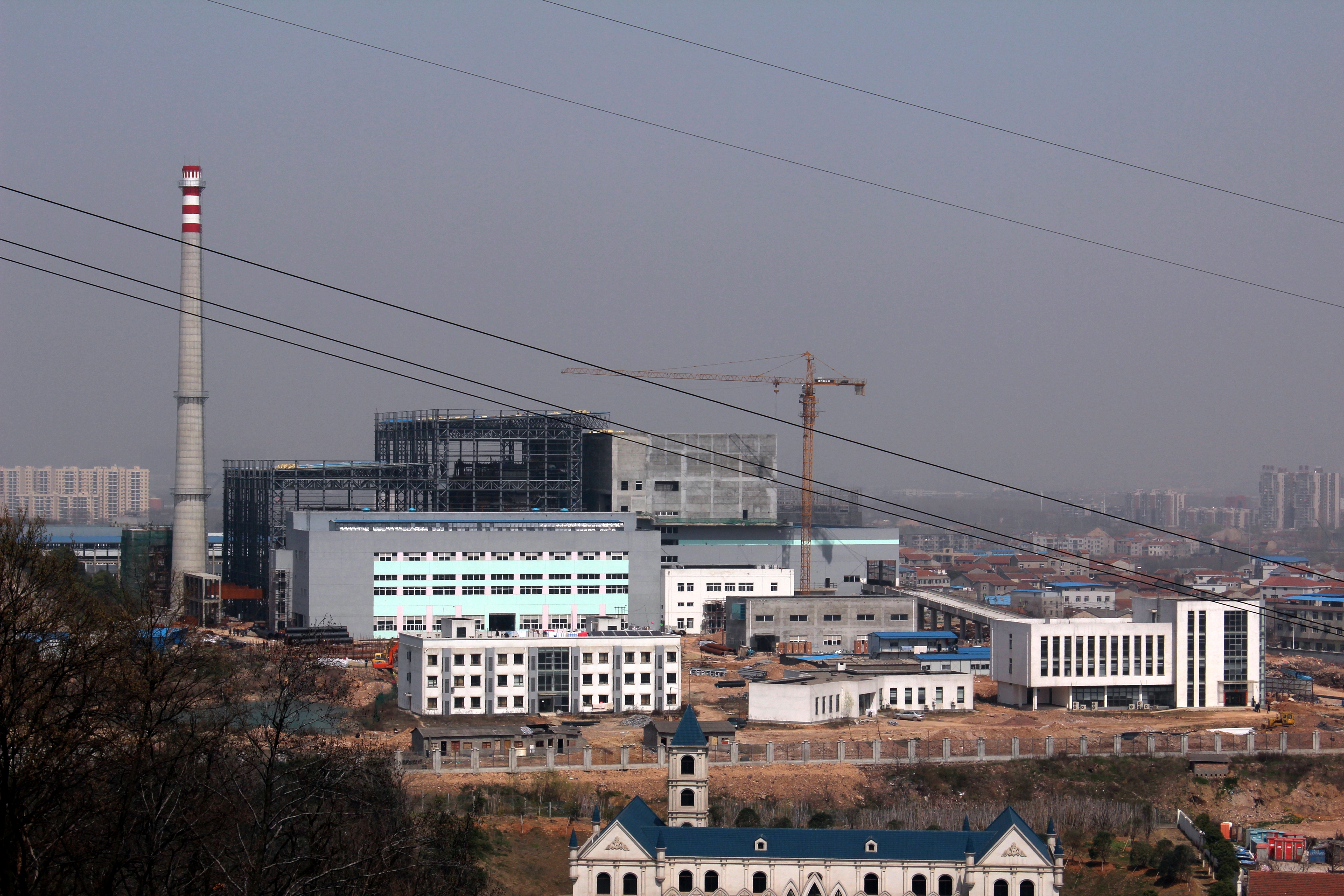
The need to properly dispose of solid waste has been around for centuries.  Today, solid waste disposal is a multibillion dollar industry.  Unfortunately, this industry also has the potential to have an adverse impact on the environment.  However, the need to conduct solid waste removal in a profitable and environmentally friendly way will always be of the utmost importance.  Though there are many methods to handling solid waste, such as landfills and composting, the use of incineration or Waste-To-Energy (WTE) has largely been missing in the United States.
Constellationevolution
There are several benefits to utilizing WTE facilities but they are primarily created to reduce or eliminate the need for landfills.  Landfills, if not maintained properly, can  pose a serious risk to the ground water, release methane gas, and leave the land unusable for future development.  Incineration, with the use of specially designed filters, can create a reliable source of clean power generation and waste reduction.  The power from these WTE plants can then be sold to consumers at a reasonable rate.
These WTE plants also come with their own down side and environmental risks.  WTE facilities are known to emit pollution such as soot, heavy metal vapors, and acidic gases.  After the incineration/power generation process has been completed, left over ash and heavy metal debris must be disposed of appropriately.  If not properly regulated, emissions from WTE plants can have a significant negative impact on air quality.  Also, there is always the possibility that people and wildlife surrounding a WTE plant could be exposed to harmful airborne waste byproducts.
Vattenfall
There are business opportunities at every stage of the waste disposal process.  Though Waste-To-Energy facilities are not the answer to our environmental and energy needs, they should be a part of the solution.  Recycling and re-purposing of all materials should always be the first in a series of steps prior to incineration.  The need to reduce or eliminate the need for landfills should continue to be top priority.  Many nations in the European Union have already adopted a robust strategy that includes a mix of recycling, WTE, and landfills.

Related Links

Tuesday, January 28, 2014

Arctic Freeze: The Possible Connection to Global Warming


Arctic Freeze: The Possible Connection to Global Warming

For the Northeast, 2014 has started out to be a very cold year.  Meteorologists have come to the conclusion that this frigid weather was driven by what is known as a polar vortex.  Usually, this polar vortex does not reach the northeast United States.  In normal conditions there would be other natural weather patterns, such as the North Atlantic Oscillation, that would prevent this polar vortex from reaching such southern latitudes.  People have even lost their lives to this dangerous weather pattern.  Understanding the underlying drivers of the artic weather will become more relevant if these weather events begin to occur in greater frequency.  The answers to this conundrum may be closer than we think.


Dictionary.com
There are reports that hint toward a possible connection between less artic ice, due to global warming, and a disruption of the normal polar vortex weather patterns.  These reports also suggest that the darker colored water, in comparison to the reflective white surface of a polar ice cap, is allowing for the absorption of higher levels of incoming solar radiation.  This is important because water has a significant impact on the ambient temperature of the air.  However, none of these reports seem to mention the effect melting artic ice has on ocean salinity.


Essentially, salinity is a measure of dissolved salts in water.  Ocean water with high salinity freezes at a lower temperature than fresh water which has little or no salinity.  This means that the Ocean is able to effectively distribute low temperature water around the globe and prevent the ambient air temperature from dropping too low.  If the Ocean salinity has dropped too low it will be incapable of effectively regulating the ambient air temperature.

CONCEPT SUMMARY

1)         Global warming increases Earth’s temperature

2)         Higher temperature causes the polar ice caps to melt

3)         Fresh water from the polar ice cap lowers the ocean’s Salinity

4)         The lower salinity ocean shuts down the oceans normal currents

5)         The ocean is not able to moderate the ambient air temperature through the use of its normal currents (water temperature has a direct impact on the temperature of the ambient air).

6)         The air temperature is allowed to increase or decrease without proper moderation, which leads to erratic weather patterns.

The effect of global warming will become more and more difficult to reverse as we continue our dependence on fossil fuels to power our daily lives.  Therefore, as the Arctic Ice caps continue to melt at an astonishing rate we can expect to see more extreme weather patterns in the winter and summer months.  There is no surprise that in the last 15years we have seen some of the strongest record breaking storms and erratic temperature changes in history.  Unless we find a way to lower our carbon footprint and increase our use of renewable energy sources we will find ourselves in an unpleasant and unkind global catastrophe.

NOTE:  For all of our football fans let’s hope that the weather in the Northeast is good enough for the 2013-2014 Super Bowl….should be a good game.