Showing posts with label Eco-Friendly. Show all posts

Thursday, October 16, 2014

Solid Waste Disposal: The Business of Incineration


Solid Waste Disposal: The Business of Incineration

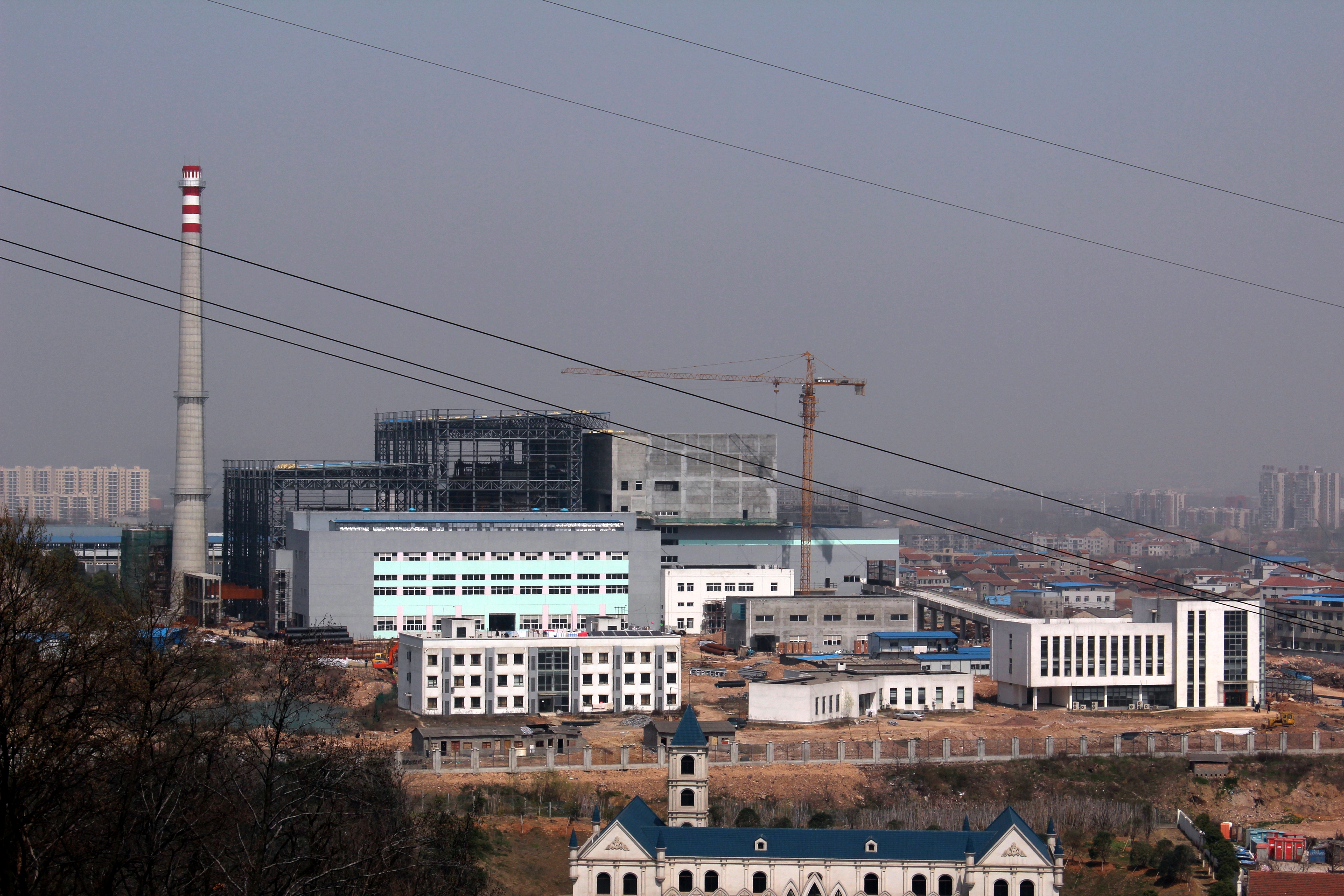
The need to properly dispose of solid waste has been around for centuries.  Today, solid waste disposal is a multibillion dollar industry.  Unfortunately, this industry also has the potential to have an adverse impact on the environment.  However, the need to conduct solid waste removal in a profitable and environmentally friendly way will always be of the utmost importance.  Though there are many methods to handling solid waste, such as landfills and composting, the use of incineration or Waste-To-Energy (WTE) has largely been missing in the United States.
Constellationevolution
There are several benefits to utilizing WTE facilities but they are primarily created to reduce or eliminate the need for landfills.  Landfills, if not maintained properly, can  pose a serious risk to the ground water, release methane gas, and leave the land unusable for future development.  Incineration, with the use of specially designed filters, can create a reliable source of clean power generation and waste reduction.  The power from these WTE plants can then be sold to consumers at a reasonable rate.
These WTE plants also come with their own down side and environmental risks.  WTE facilities are known to emit pollution such as soot, heavy metal vapors, and acidic gases.  After the incineration/power generation process has been completed, left over ash and heavy metal debris must be disposed of appropriately.  If not properly regulated, emissions from WTE plants can have a significant negative impact on air quality.  Also, there is always the possibility that people and wildlife surrounding a WTE plant could be exposed to harmful airborne waste byproducts.
Vattenfall
There are business opportunities at every stage of the waste disposal process.  Though Waste-To-Energy facilities are not the answer to our environmental and energy needs, they should be a part of the solution.  Recycling and re-purposing of all materials should always be the first in a series of steps prior to incineration.  The need to reduce or eliminate the need for landfills should continue to be top priority.  Many nations in the European Union have already adopted a robust strategy that includes a mix of recycling, WTE, and landfills.

Related Links

Friday, July 4, 2014

Geothermal Energy - The Untapped Power


Geothermal Energy - The Untapped Power
Geothermal energy is the natural heat energy stored with in the Earth.  Geothermal plants generate electricity by utilizing the steam of super-heated ground water to drive turbines within the power plant facility.  Most geothermal sites in the United States are located in Alaska, Oregon, California, Idaho, Utah, and Nevada.  Unlike the western states, there are few viable locations for geothermal power generation on the east coast.
www.wondermondo.com
The most obvious benefit to using geothermal is that it is a renewable energy source.  Unlike fossil fuels, geothermal energy does not have a carbon footprint.  All of the heat energy needed to run the facility occurs naturally within the Earth.  Also, geothermal plants have a minimal impact on the environment because the steam, which later condenses into water, is cycled back into the Earth.  If maintained well, geothermal site can create power for decades.
www.hijauku.com
There are also some dangers associated with geothermal energy.  For instance, trace amounts of poisonous gas can escape while steam energy is extracted out of a natural spring.  Though these small amounts are relatively harmless, it is still important to note that this can occur.  Also, the hot spring can become depleted if water is not cycled back into the reservoir of the spring.  A sink hole can occur if enough water is displaced from the well.  Managed well, the vast majority of geothermal power plants can avoid all of these issues.
i.images.cdn.fotopedia.com
The current focus on energy independence and lower carbon emissions has created the necessity for environmentally friendly energy solutions.  To make geothermal power more prevalent across the world creative applications of current technologies must be put in place.  For example, the same deep drilling techniques that are used for fracking can be utilized to find geothermal springs.  Once drilled, a single geothermal plant can tap multiple hot springs simultaneously and reduce the dependence on fossil fuels.  Coupled with a more efficient electrical grid, there is a strong chance that this energy can be generated and transmitted with little environmental impact.

Tuesday, June 10, 2014

Green Building: The Homes of Tomorrow


Green Building: The Homes of Tomorrow

Until early 2006, individuals that invested in properties, commercial and residential, were able to make positive returns.  Tiffany Speir, Executive Officer of The Master Builders Association (MBA) of Peirce County, noticed that homebuyers at this time had confidence in the value of their home and overall job security, but wanted ways to increase the equity in their home.  These homebuyers were more willing to invest in a newly constructed environmentally friendly home, or make comparable upgrades to an existing home to cause the price of their home to appreciate.
 Since the collapse of the housing boom home prices have been slowly recovering.  However, environmentally friendly construction has not recovered on par with the overall housing market.  Tiffany Speir recounts that even in 2010-2011 the green building market was “very slow in Washington [State]” even though “Washington [State] is one of the leaders in green building across the country.”  This trend points to the challenges home owners face when considering the various commitments associated with green building.
Committing to building green means being willing to invest heavily in the upfront cost of construction.  Even though home builders have few issues with building green homes, they lack buyers that are willing to pay for such a home.  Homebuyers are aware that, with a sluggish housing market, they may not make a return on their investment any time soon.  Nevertheless, builtgreenwashington.org is quick to point out that “Some green products are more expensive, but as most choices become available, prices are coming down. In addition, many green building practices can actually reduce your costs by reducing waste and encouraging efficiency [sic].”
Even with all of the challenges to building environmentally friendly homes there are many successful contemporary examples.  One such example is the EnviroHouse located at the Tacoma Recovery & Transfer Center in Tacoma, Washington.  Part of the Mission of the EnviroHouse is to “…educate and encourage residential builders, developers and residents to adopt resource and energy efficient products and practices in their homes and gardens.”  Janda Volkmer, EnvioHouse Coordinator, recently gave a tour of this environmentally friendly home.  This tour demonstrated how the landscaping, exterior materials, and interior décor of a home can be constructed utilizing recycled materials and renewable resources.  Homes like this prove that creating an environmental home can be safe, clean, economical, and reduce its carbon footprint.

Additional Reading and Information:
Built Green Washington - http://www.builtgreenwashington.org/
Built Green Peirce County – http://www.builtgreenpierce.com/
Master Builders Association of Pierce County – http://www.mbapierce.com/
EnviroHouse, City of Tacoma – http://www.cityoftacoma.org/envirohouse/

Saturday, May 3, 2014

Environmentally Friendly Repurposewear


Environmentally Friendly Repurposewear
There will always be challenges associated with running a successful business.  Environmentally friendly businesses have the added challenge of repackaging and repurposing various items for a variety of applications.  In fashion, this challenge can be increased even further due to the ever changing nature of trends and styles.  In an attempt to gain a better understanding of the challenges repurposed and recycled products face The Environmental News Bulletin interviewed Renata Dunkle who is the owner of Repurposewear in Lakewood,Washington.
Repurposewear
The motivation to become involved in environmentally friendly products can come from many sources.  While following their passions some entrepreneurs find themselves creating environmentally friendly companies.  The owner of Repurposewear is one of these people.  Renata’s passion for clothing and fashion lead her to create Repurposewear.  Her business gives her the opportunity to keep quality clothing items from being discarded, maintain evolvement in her community, and the opportunity to utilize her talent for fashion and design.
Repurposewear
When it comes to whether Renata believes re-purposed clothing will come in vogue she simply says “fashion is a matter of attitude, not a function of what you have in your bank account.”  Renata admits that the business of retailing re-purposed or preowned clothing items “…can be a bit of a challenge”, but that the key to her store’s success is “presentation”.  Her business sense allows her to understand that customer experience is everything.  She ensures that her store is clean, well-organized, and smells pleasant.
The challenge that most established fashion companies have with large scale re-purposing may be in the fact that they have little to no experience that arena.  In other words, most companies stick to what they are familiar with.  Also, companies like Repurposewear do not have the internal politics that may prevent established brands from experimenting with new methods of manufacturing, reselling, or repurposing clothing.  This means that most of the change in our environmental and business practices will most likely have to begin at the local business level.
Repurposewear
What can be done?...
There is no perfect solution to addressing the lack of focus and attention on re-purposed clothing and accessories.  However one thing is true, to do nothing simply because large manufactures are not currently on board is foolhardy.  Only when community retail companies begin to demonstrate the profitability of their operations will the larger, shareholder controlled, organizations invest capital.  To this end, there should be a national professional re-purposing association that can certify the quality of a community store and/or its products.  Each store would be able to display this certification for customers in their store and website.  This association would thereby increase consumer confidence and therefore drive sales and community involvement.